Selling on Amazon has been one of the most attractive business opportunities of the last decade. With access to well over 300 million active customers worldwide, it’s no wonder that entrepreneurs, brands, and private-label sellers flock to the platform.
But while Amazon’s marketplace offers massive potential, it also comes with some of the most strict and complex rules in ecommerce. One wrong move can lead to a seller account suspension, causing products to go offline, orders to stop, and cash flow to vanish — sometimes in a matter of hours.
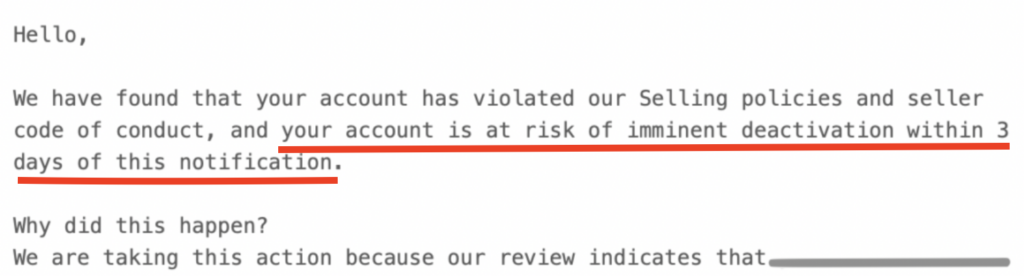
This blog post gives you a comprehensive, deeply detailed guide to Amazon seller suspensions — what they are, why they happen, how to respond, and most importantly, how to prevent them altogether. By the time you finish reading, you’ll know how to protect your business from a suspension, or recover quickly if the worst does happen.
What Is an Amazon Seller Suspension?
In the simplest terms, an Amazon seller suspension means Amazon has revoked your ability to sell on the platform — either temporarily or permanently. This can immediately stop all active listings, make your account inaccessible to buyers, and freeze advertising and disbursements.
Amazon enforces suspensions to protect its marketplace ecosystem, which it prioritizes above all — even above individual sellers. A suspension isn’t necessarily a judgment of your intentions, but rather Amazon’s mechanism to maintain trust, customer satisfaction, and compliance with its increasingly rigid standards.
Sellers often receive an email notification explaining the type of suspension and the primary reason — though many times the explanation is vague or incomplete, requiring a careful diagnostic approach to identify the real issue.
Types of Suspensions
Not all suspensions are the same. Understanding the difference helps you know what to expect next and how serious the situation really is. Amazon generally uses four main suspension classifications:
a. Account Deactivation
This is often the least severe form. It’s a temporary suspension typically issued for policy violations or performance issues. A successful appeal can reinstate your account once the problem is corrected.
b. Account Suspension
More serious than deactivation, this halts your selling privileges entirely until you appeal and satisfy Amazon’s requirements. It usually means Amazon has identified repeated violations or unresolved performance failures.
c. Permanent Account Ban
This is the most severe and irreversible penalty. A ban is reserved for severe violations such as selling counterfeit goods, blatant manipulation of reviews, fraud, or repeated and egregious breaches. There is no appeal for a permanent ban.
d. Account Denial
This applies to new seller applications. If Amazon cannot verify your identity, business information, or documentation during onboarding, they may deny the application before your account even goes live.
Top Reasons Amazon Suspends Seller Accounts
Amazon doesn’t suspend sellers just to exercise power — suspensions are triggered by specific policies and performance thresholds being violated. Below are the most common causes.
Policy Pitfalls
Amazon’s policy landscape is extremely broad and often updated. Sellers frequently trip over rules around:
- Selling counterfeit products
- Listing prohibited or restricted items
- Manipulating product reviews
- Providing misleading information
- Intellectual Property violations (unauthorized use of trademarks or patents)
Policy issues aren’t limited to intentional wrongdoing — something as simple as a mislabeled image or incomplete product detail page can trigger enforcement.
Performance Slips
Amazon deeply cares about buyer experience, and your performance metrics serve as real-time indicators of it. Common performance triggers include:
- High Order Defect Rate (ODR)
- Late Shipment Rate
- Pre-Fulfillment Cancellation Rate
- Inaccurate or missing Tracking Information
- High Return Dissatisfaction Rate
If these metrics fall below Amazon’s standards for a sustained period, your account could be suspended proactively.
Prohibited Activities
Some activities always result in immediate action:
- Operating multiple seller accounts without approval
- Incentivizing or buying reviews
- Price gouging
- Misusing sensitive customer information
- Violating Amazon’s Seller Code of Conduct
Even an innocent attempt to improve marketing results (e.g., paying influencers for positive reviews) can be interpreted as prohibited review manipulation if not done correctly.
Related Account Linkage
Amazon sometimes links accounts based on shared data (payment info, IP address, phone number). If one account gets suspended, another linked account — even one you don’t actively use — can be suspended as well.
This type of suspension can be one of the most frustrating because it often requires proving a lack of connection or transferring ownership officially.
How to Diagnose the Suspension Cause
Identifying exactly why Amazon suspended your account is the first critical step toward recovery. Amazon’s suspension notification is often too broad or generic, so sellers must dig deeper.
Step-by-Step Suspension Diagnosis
- Read the Suspension Notice Carefully
Even if it seems vague, pick out key phrases or reference codes that might indicate policy areas.
- Check Your Account Health Dashboard
Metrics like ODR, cancellation rates, and delivery performance often hold clues.
- Review Recent Email or Performance Notifications
Amazon often sends warnings before a suspension — these can help pinpoint the exact timeline and reason.
- Identify Correlated Events
Think about recent changes you made: listing changes, new products, new suppliers, or price adjustments. This helps you pinpoint the root cause.
Once you know why you were suspended, you can craft your response and fix the underlying issue — which is what Amazon cares about most.
The Reinstatement and Appeal Process
Getting suspended doesn’t mean your business is over — but how you respond makes all the difference.
Understanding Amazon’s Expectations
When you appeal, Amazon doesn’t just want apologies — they want a Plan of Action (POA) that proves:
- You understand the real cause of the suspension
- You have already taken corrective actions
- You have implemented prevention measures so the problem won’t happen again
Appeals that are vague, scripted, or unrelated to the true issue are often rejected outright, especially as Amazon tightens its enforcement standards.
Writing a Winning Plan of Action (POA)
The Plan of Action is the centerpiece of your appeal — and crafting it properly is essential.
Here’s how to structure a strong POA:
1. Identify the Root Cause
Go beyond the surface explanation Amazon gave you. For example, if your account was suspended for high defect rates, identify why you had defects — was it poor supplier quality, shipping delays, incorrect product descriptions, etc.?
2. Corrective Actions Taken
Explain in past tense the exact steps you’ve already taken to fix the problem. For example:
✔ You updated listings to match actual product specs
✔ You changed suppliers and verified authenticity documentation
✔ You retrained staff on fulfillment standards
Using past tense shows Amazon that these changes are already in motion — not hypothetical.
3. Preventive Measures Going Forward
This is arguably the most important piece. It shows Amazon how you’ll ensure this issue never occurs again:
✔ New SOPs (Standard Operating Procedures)
✔ Updated training for staff
✔ Better inventory tracking systems
✔ More frequent performance metric monitoring
4. Provide Supporting Evidence
Attach screenshots, invoices, compliance certificates, updated policy documents, or shipping records that show you’ve implemented the changes.
Documentation isn’t optional — it’s expected, especially in 2025 where Amazon requires high standards of verification.
Key Performance Metrics Amazon Watches
Amazon has multiple performance metrics that signal seller health — and many suspensions are triggered by poor performance long before a policy violation occurs.
Order Defect Rate (ODR)
This includes negative feedback, A-to-Z Guarantee claims, and chargebacks — and Amazon targets an ODR under 1 % at all times.
Late Shipment Rate (LSR)
This reflects how often orders are shipped after the expected date. Frequent late shipments can trigger warnings and eventual suspension.
Pre-Fulfillment Cancel Rate
If you cancel orders before shipping them, Amazon views this as a failure to deliver on promises to customers.
Return Dissatisfaction Rate
High percentages of unhappy returns — especially if customers complain about defects — can signal quality issues and lead to enforcement.
Monitoring these metrics is not optional — it’s one of the best things you can do to prevent suspension.
Preventing Suspensions Before They Happen
The best suspension strategy is prevention. Sellers who proactively monitor and improve account health avoid most enforcement actions.
Regularly Monitor Account Health & Notifications
Check performance metrics and Seller Central notifications multiple times per week. Amazon often gives warnings before suspension — and acting early can prevent escalation.
Use Accurate, Compliant Listings
Clear, detailed product descriptions and images reduce defects and returns while preventing policy flags.
Vet Suppliers Carefully
In 2025, Amazon is scrutinizing supplier documentation like never before. Using unverified suppliers or generic wholesalers increases suspension risk.
Avoid Review Manipulation
Any schemes to buy or incentivize reviews — even with honest intent — can lead to suspension.
Limit Multiple Accounts
Unless explicitly approved by Amazon, running more than one seller account is a fast path to suspension.
Focus on Customer Service
Timely responses and proactive issue resolution reduce negative feedback and claims — both of which improve your metrics and reputation.
Real Seller Suspension Experiences
Real world seller experiences highlight several key truths:
- Suspensions often occur with little detailed explanation. Reddit
- Many sellers learn the hard way that Amazon’s policies and diagnostic reasons can be very different from the email explanations. Reddit
- Suspended funds and inventory can be held for months while appeals or documentation reviews drag on. Reddit
- Even sellers with perfect metrics may face suspensions due to linked account issues or documentation problems. Reddit
These real stories underscore the need for careful compliance and documentation preparedness at all times.
When to Seek Professional Help
Some suspensions are complex enough that outside expertise significantly improves success chances. Amazon reinstatement agencies specialize in diagnosing root causes, writing effective POAs, and handling documentation requests — which can significantly shorten downtime and improve outcomes.
However, be wary of agencies that make 100 % guarantees — account reinstatement always depends on Amazon’s judgment. Instead, look for proven expertise and transparent processes.
Preparing for the Future of Amazon Enforcement
Amazon’s enforcement continues to evolve. Recent trends show:
- Increased emphasis on verified supply chains and documentation
- Harsher scrutiny of review tactics and promotions
- Stricter performance metric thresholds
- Greater automation in detecting patterns that indicate manipulation or abuse
The future of selling on Amazon will demand even better compliance, performance management, and documentation practices from sellers.
Final Takeaways
Amazon suspension is one of the biggest risks any seller faces, but it doesn’t have to be a catastrophe. With the right systems, monitoring, documentation, and response strategy, most suspensions can be avoided — and most appeals can be successful.
Key Points to Remember
✔ Suspensions stem from policy violations or poor performance.
✔ Amazon expects a data-driven, professional Plan of Action.
✔ Prevention is always cheaper and faster than recovery.
✔ Real documentation and metrics matter more than generic explanations.
✔ Even experienced sellers sometimes need professional help.
Selling on Amazon is a marathon, not a sprint — and protecting your seller account is essential to long-term success.